Find the product ID
Check the sewn label, shell label, official product page or service documentation.
Search by product/style ID, exact part number, model, revision or component. The library keeps explicit non-fit conflicts visible so a close-looking part is never treated as proof of compatibility.
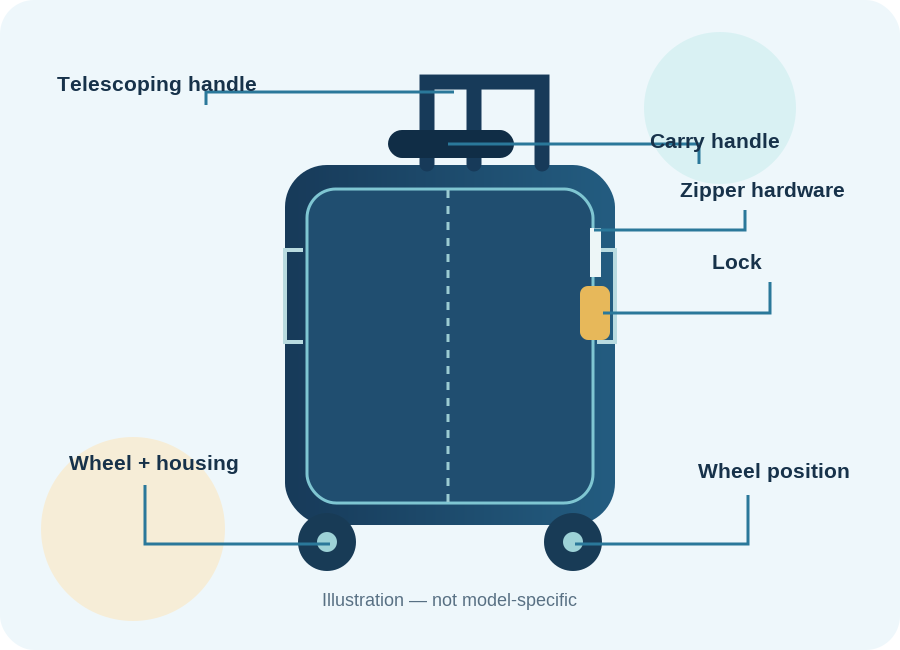
Generic illustrations help you identify the component family. Exact fit still depends on the source-backed record.
403 source-tracked records
519 source-tracked records

223 source-tracked records

345 source-tracked records
36 source-tracked records

11 source-tracked records

51 source-tracked records

122 source-tracked records
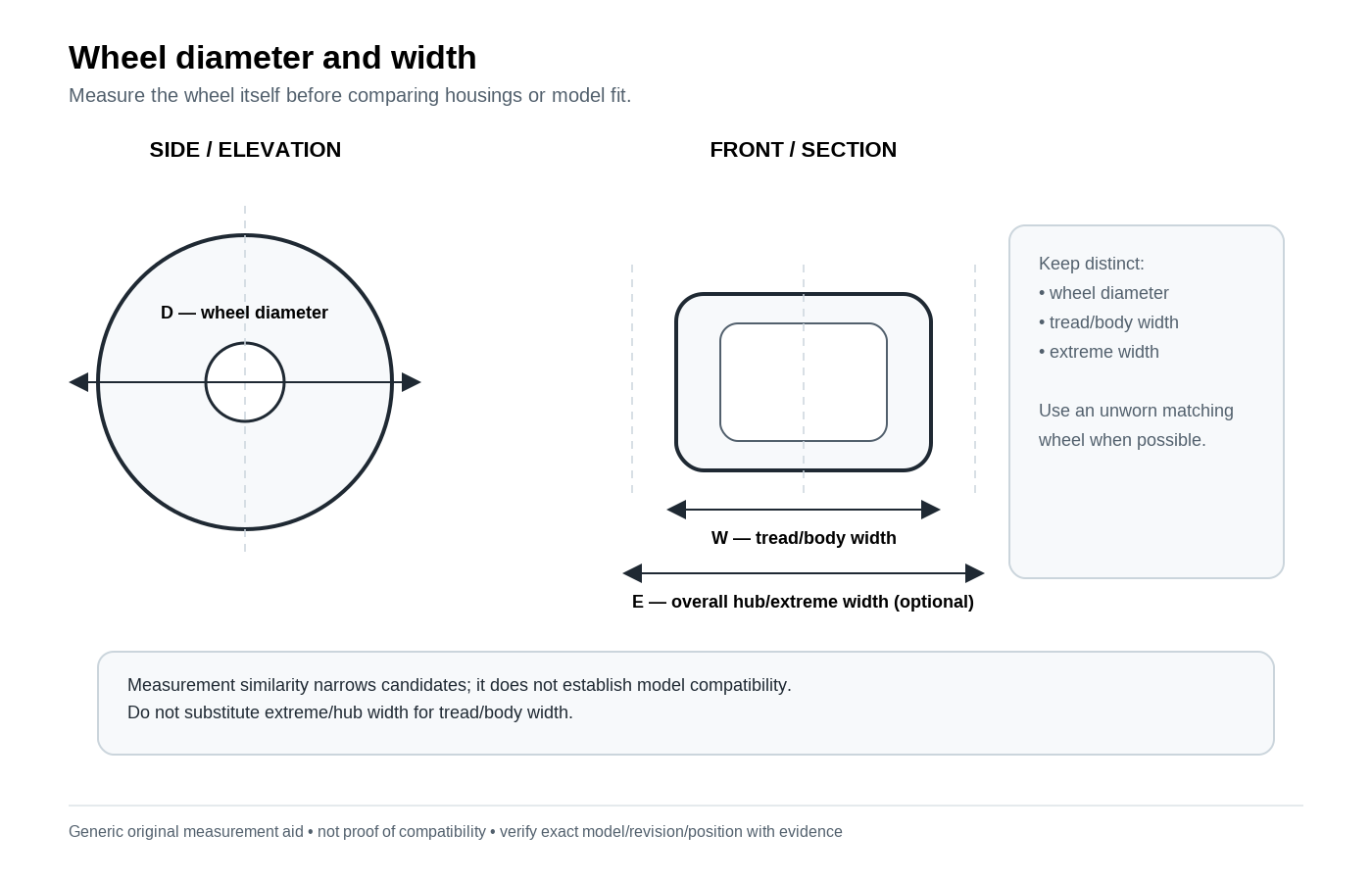
Measurements narrow the field; exact identifiers, revision and position decide whether the evidence supports fit.
Check the sewn label, shell label, official product page or service documentation.
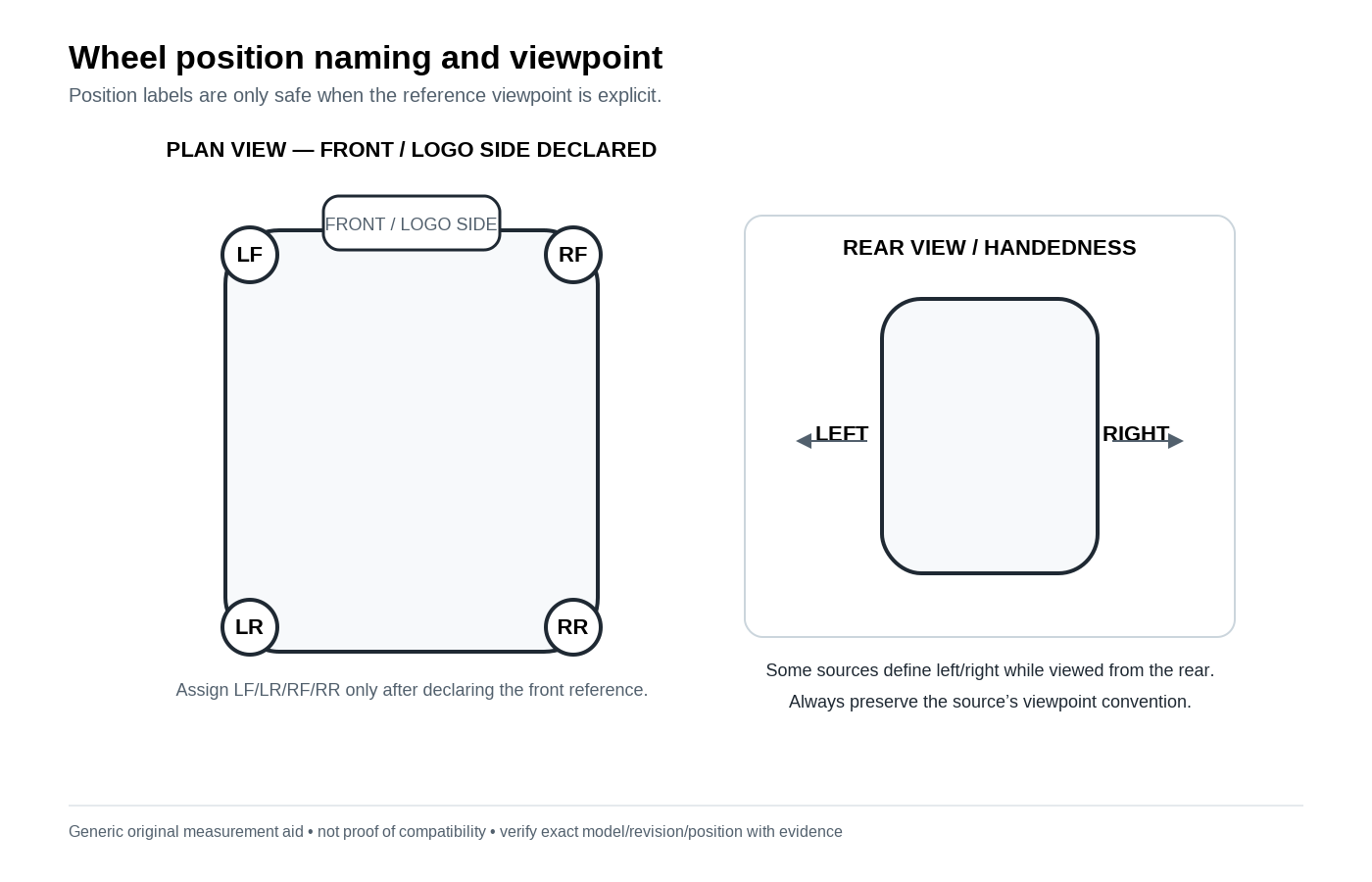
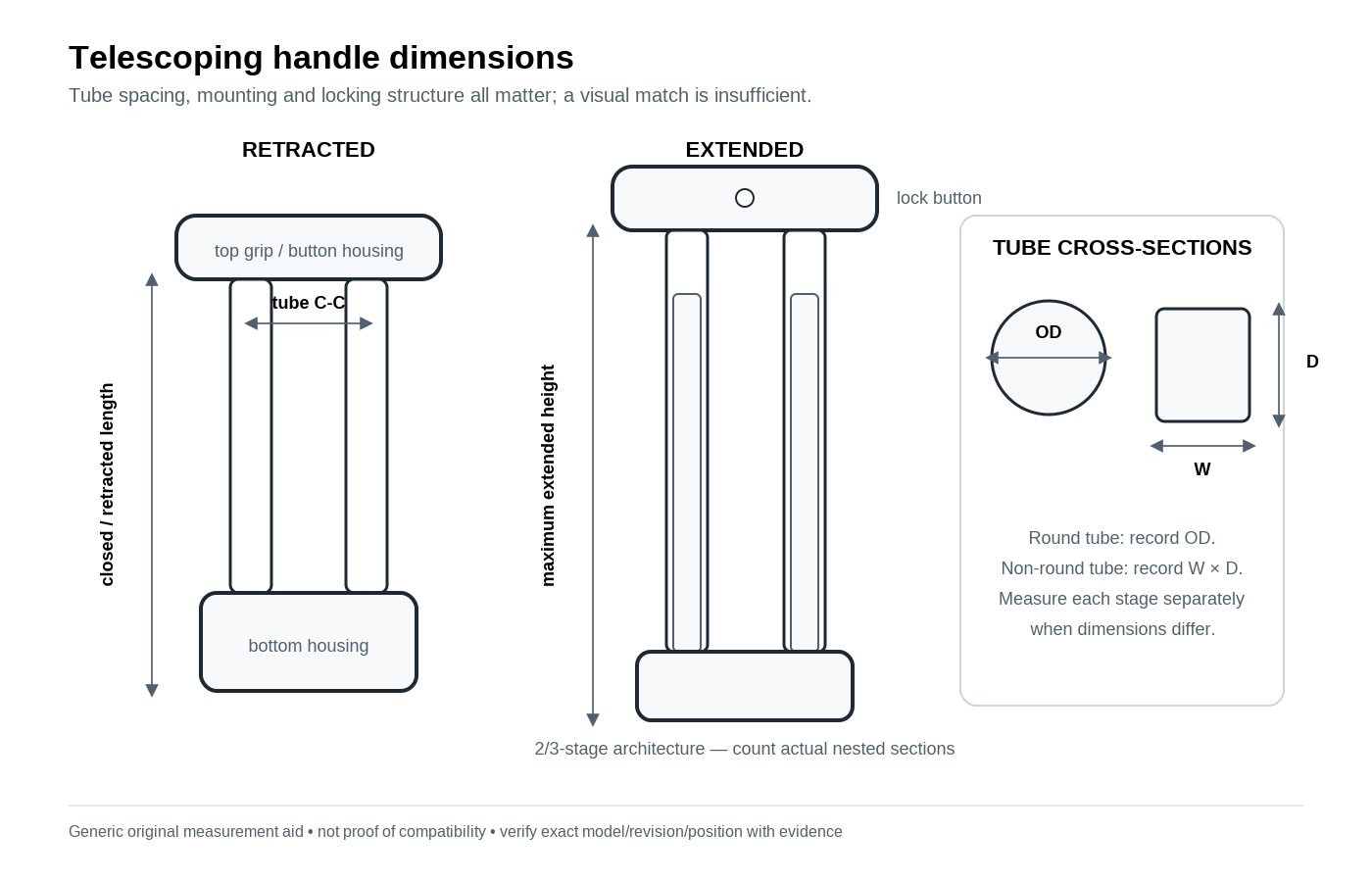
Confirm left/right, front/rear, mounting pattern and the measurements that distinguish similar components.
Use VERIFIED, LIKELY, UNVERIFIED and DOES_NOT_FIT as different levels of evidence—not as interchangeable labels.
Short task guides explain locks, zipper components, hardware identifiers and compatibility states.
Each record keeps its product/style identity, part number, revision/position context, confidence state and source trail. Product and part-number hubs make exact identifiers discoverable without flattening conflicts.
Read the evidence methodology →VERIFIED Explicit source-backed relationship in the stated scope.
LIKELY Strong alignment, but explicit authoritative fit is incomplete.
UNVERIFIED Candidate/component evidence only; not confirmed fit.
DOES_NOT_FIT Explicit exclusion, wrong position, revision or other conflict.
Brand names are used only to organize independent compatibility evidence; this site is not affiliated with the manufacturers.
Original diagrams show consistent measurement and viewpoint methods. A dimension match is a filter, never automatic proof of fit.
Use the guide to identify the component and evidence you need before comparing a replacement.